

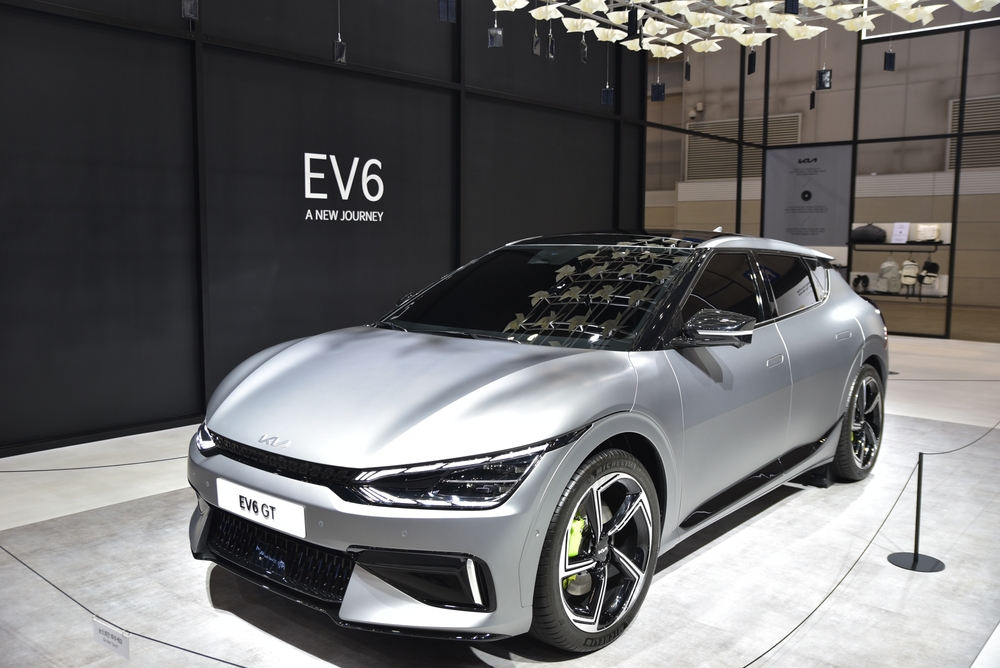
Electric Vehicles (EVs) used to be little more than a sci-fi concept for the longest time until the first commercially viable EVs came along a few years ago. Now, you see more and more of these revolutionary vehicles everywhere. With EVs, you can charge your car and hit the open road. Many people don’t think too much about maintenance issues because these cars don’t have engines. However, it also means plenty of EV owners forget about caring for the EV batteries that run their cars.
Like engines in cars that run on gas, EV batteries are made to last a long time, but they eventually wear out. Whether you’re a new EV owner or are looking for one like the new Kia EV 6, it’s important to know how to protect your investment. Sure, the EV battery isn’t designed to last forever. Manufacturers like Kia also have built-in precautions that protect EV batteries from overcharging, overheating, or discharging too much. Even though you don’t have to treat your EV like a baby, it is important to respect it.
Today, we will discuss some of the most common and costly mistakes people make with their EV batteries and how to avoid them. With the right precautions and tips in mind, you can get the most out of your investment and ensure it has great resale value if you ever decide to sell it.
EV Battery Mistake #1: Overcharging the Battery
Perhaps one of the biggest EV charging mistakes is getting too eager and charging it too much. Like smartphones and laptops, EVs use lithium-ion batteries. Lithium-ion batteries typically perform best when they are between 30% and 80% charged. Keeping your EV battery within that range can help you prolong its life and avoid replacing it sooner than you have to.
People typically charge their phones to 100%, and many prefer charging them when the battery drains completely. This is why you find yourself replacing the battery in your phone every couple of years. Constantly keeping your EV battery at 100% can strain it. If you don’t need the maximum range, there’s no need to go for the maximum charge.
Suppose you have a long trip ahead, and your EV battery is 70%. In that case, you should start charging your EV’s battery to make sure it’s at full capacity, just as you have to start driving.
EV Battery Mistake #2: Over Discharging the Battery
Remember, lithium-ion batteries don’t last too long when overcharged or completely drained. Since the ideal range for an EV battery is between 30% and 80%, letting the charge fall below 30% and stay there for too long can harm the battery’s life.
Lithium-ion batteries do well with partial charge cycles instead of a complete discharge and full charge. If an EV battery becomes completely discharged, it can become unusable—for good. Fortunately, most manufacturers, like Kia, have settings that prevent complete discharge.
To avoid this, make it a habit to charge your battery after every trip where it goes below 30%. Regularly charging the battery and keeping it at around 70% can preserve its health for much longer.
EV Battery Mistake #3: Charging the Battery Too Frequently
One of the most important EV charging mistakes to avoid is charging it too frequently. It might be a little contradictory because you should be in the habit of keeping the battery charged to a good range whenever you need to head out. Sure, you should have the battery charged for your trips, but it also means you should not charge it when you don’t need it.
Lithium-ion batteries degrade naturally based on the number of charging cycles they undergo. If you keep charging the EV battery constantly, its durability and performance will start deteriorating. Instead of charging the battery daily, treat it like you’d fill gas in a standard gas-powered vehicle.
Most people don’t fill up the gas tank if they have enough left for the next few days. Similarly, you should plug the EV battery in every few days based on how much you drive it. By reducing the charging cycles, you can get a lot more life out of EV batteries.
EV Battery Mistake #4: Relying Too Much on DC Quick Charging
DC quick charging is a great way to get more range out of your EV for longer trips or when you’re short on charge and time, and need a quick boost. DC quick chargers can give you several miles of range within half an hour, but it comes at the cost of damaging the batteries. If you rely on quick chargers too much, it can deteriorate the battery’s durability and performance.
Ideally, you should master the habit of keeping the battery charged between 30% and 80% using standard AC chargers. Sure, DC quick chargers can be handy in an emergency, but stick to using them only when necessary. The less often you use quick charging, the more you can extend the battery life.
EV Battery Mistake #5: Forgetting About the Onboard Computer
EVs are technologically more complex than standard gasoline-powered vehicles and often have hi-tech features to match. The onboard system in your EV has plenty of options beyond the entertainment features. The menu options in the latest EVs feature battery information as well.
The onboard computer in your EV paints a clear picture of the battery’s health, from power consumption checks to expected charge time for the type of charger, current range, and more. Monitoring the performance regularly can help you identify any issues and address them before they worsen.
Schedule a Test Drive at Turner Kia for Your New Kia EV
By avoiding these common EV battery mistakes, you can improve your car’s performance and get a much longer life out of the battery before you need any replacements. Using the onboard computer to monitor the battery’s health and avoiding charging and storage mistakes can help you embrace the future of driving and get great bang for your buck.
If you’re in the market for a new EV but aren’t sure which one to get, you can consider your options at Kia Turner. Whether you want to try out the new Kia EV6 or check other options, we can help you out. At Turner Kia, we’re committed to helping you make informed decisions.Check out our inventory and schedule a test drive with Turner Kia to experience what it’s like to drive an EV firsthand before you buy one.
Connect with us


Recent Blog Entries
- 2025 Kia Sportage Specifications: What’s New in This Year’s Model?
- Kia Niro Trim Levels Explained: From LX to SX Touring
- 2025 Kia Niro Specs: What’s New in the Hybrid, EV, and Plug-In Models?
- Crossover vs SUV: Understanding the Key Differences for Harrisburg, PA Drivers
- A Complete Guide to the 2025 Kia SUV Models: Features, Sizes, and Performance
 Warranties include 10-year/100,000-mile powertrain and 5-year/60,000-mile basic. All warranties and roadside assistance are limited. See retailer for warranty details.